Building a Robust Microsoft 365 Governance Framework
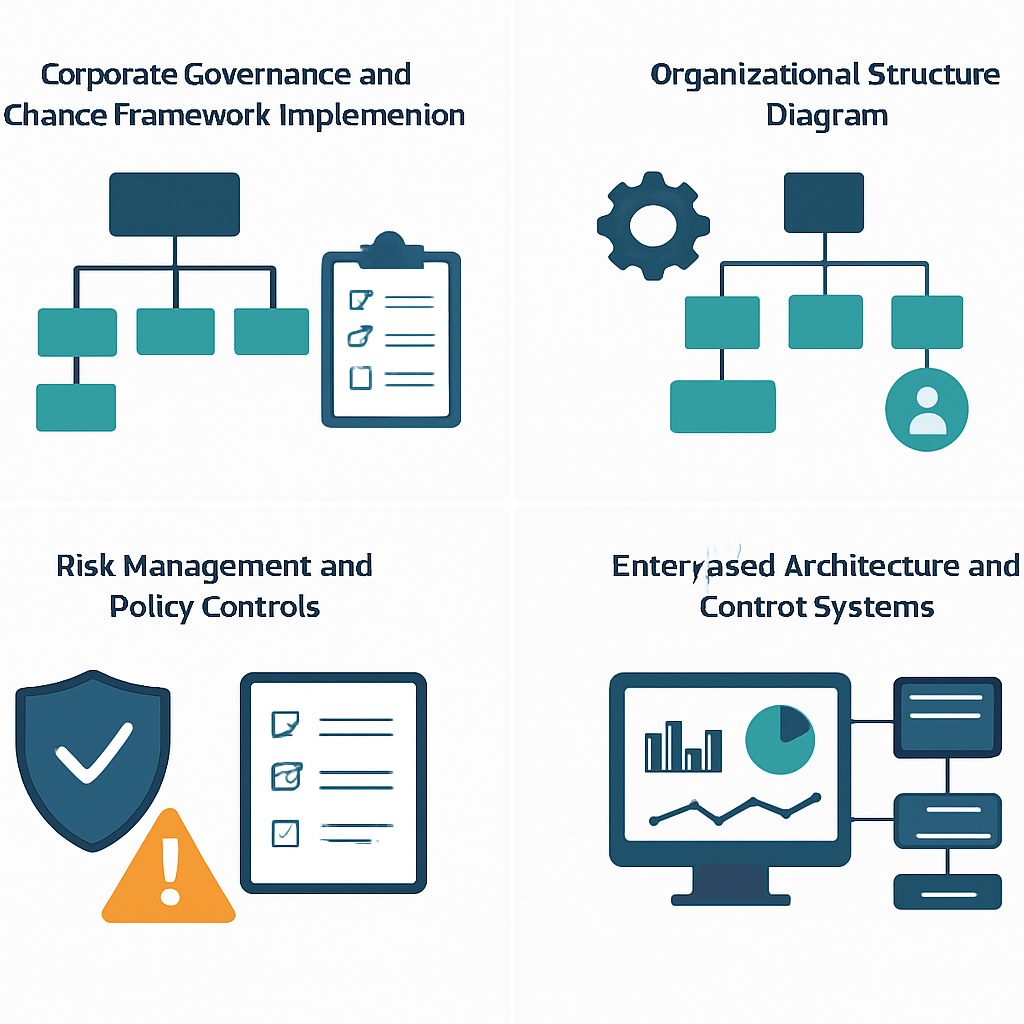
Implement governance policies that balance security and compliance while enabling user productivity.
Microsoft 365 governance is the often-overlooked foundation of a successful cloud transformation. Without proper governance, you quickly find yourself managing a chaotic, uncontrolled environment where sensitive data sprawls across unsanctioned apps and shadow IT thrives.
Effective governance requires clear policies across multiple dimensions: user access, data classification, device management, and application controls. These policies must be consistently enforced but still allow users the flexibility they need to collaborate effectively.
The governance framework should start with defining roles and responsibilities. Who approves new applications? Who manages user access? Who responds to security incidents? Clear ownership prevents gaps and overlaps.
User provisioning and deprovisioning are foundational governance controls. When users join the organization, they should automatically receive appropriate access. When they leave, access should immediately revoke. Azure AD dynamic groups can automate much of this based on department, location, and other attributes.
Application governance determines what software users can access. While users appreciate the flexibility of Software as a Service, unchecked adoption creates security and compliance risks. A shadow IT program can help understand what's actually being used, but policies must guide official approval.
Data classification is critical for compliance and security. Users need to understand how to classify information—public, internal, confidential, or restricted. Once classified, policies automatically protect data appropriately, either through encryption, access restrictions, or audit logging.
The final critical element is change management. Users resist policies they don't understand or that impede their work. Proper communication, training, and exception processes make governance sustainable rather than a source of frustration.
Key Takeaways
- Clear roles and responsibilities prevent governance gaps
- Automated user provisioning/deprovisioning at scale
- Shadow IT assessment reveals unsanctioned tools
- Data classification enables automated protection
- Change management ensures user adoption
Ready to Transform Your IT?
Let our experts help you implement these strategies in your organization.
Get Free Assessment→